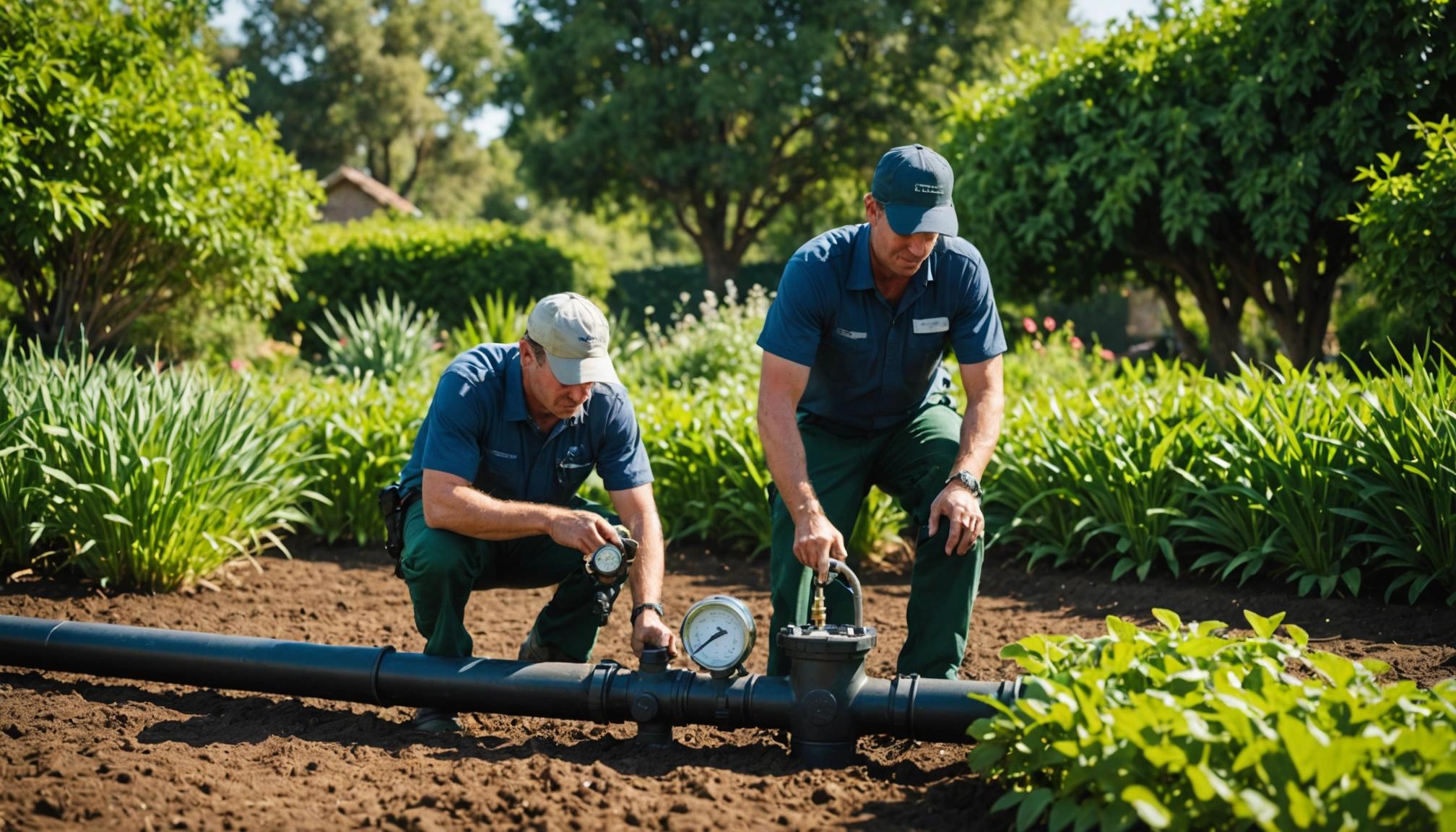
How to Fix Low Water Pressure in an Irrigation System (Step-by-Step Guide)
Are you dealing with low water pressure in your irrigation system? At West Memorial Sprinklers, we understand just how frustrating this can be, especially when your beautiful Houston landscape isn’t getting the treatment it deserves. With expertise in irrigation system repair and installation, we’re here to guide you through the steps to resolve this common issue.
In this article, we’ll delve into what causes low water pressure, how to diagnose the problem, and most importantly, how to fix it efficiently. With our friendly and engaging approach, get ready to transform your irrigation woes into wins. Let’s dive in and ensure your garden and lawn receive the optimal water flow they need!
What Causes Low Water Pressure in an Irrigation System?
Low water pressure in an irrigation system can be frustrating and detrimental to maintaining a healthy garden or lawn. Understanding the underlying causes helps in effective troubleshooting and prevents further damage.
Clogged Pipes or Sprinkler Heads
Debris, dirt, or mineral buildup can lead to clogged pipes or sprinkler heads, restricting water flow and reducing pressure.
Leaks in the System
Leaks, whether it’s a small drip or a major break in the line, can significantly decrease water pressure. Inspect pipes and connections regularly to identify and repair leaks.
Improper Valve Settings
Valves that are not fully open, or are incorrectly adjusted, can cause a reduction in water pressure. Ensure all valves are correctly set for optimal flow.
Water Supply Issues
Sometimes the problem lies with the main water supply. Low pressure from the municipal source or a well can affect the pressure in your entire irrigation system.
Incorrectly Sized Pipes
Pipes that are too small for the irrigation demands cause bottlenecking in the system, resulting in inadequate pressure.
System Design Flaws
Poor system design, such as overly long pipe runs or too many sprinklers on a single line, can lead to drops in pressure. Revisiting the configuration can sometimes solve these issues.
How Can I Diagnose Low Water Pressure Issues in My Irrigation System?
Identifying low water pressure in your irrigation system can feel overwhelming, but breaking it down into simple steps makes it manageable. First, acknowledge any changes or issues in coverage or performance. Investigate these signs to get to the root of the problem. Here’s how you can diagnose these issues effectively:
- Check the Water Source: Inspect the main water supply for any obstructions or reductions in flow that could affect pressure.
- Inspect Pipes and Hoses: Look for leaks, kinks, or damage that could lead to pressure loss in the system.
- Evaluate the System Layout: Ensure your system is set up correctly, and verify if it can handle the demand of all the zones.
- Examine Sprinkler Heads: Clear any clogs or buildup and ensure they are functioning properly.
- Verify Valves: Check for stuck or damaged valves that might restrict water flow.
- Measure Water Pressure: Use a pressure gauge to get an accurate reading of the system’s current pressure compared to the recommended levels.
Systematic evaluation helps pinpoint the causes of low water pressure, allowing you to implement effective solutions. Next, find out what tools you’ll need to resolve these issues.
What Tools Are Needed to Fix Low Water Pressure?
Tackling low water pressure in your irrigation system can feel daunting, but with the right tools, you can easily get the job done. Having the right equipment is KEY to efficiently diagnose and resolve water pressure issues without causing further damage or delaying your gardening goals.
Here are some essential tools you’ll need:
- Pressure Gauge: This helps measure the water pressure in your irrigation system, determining if it’s below optimal levels.
- Pipe Wrench: Useful for tightening or loosening pipe connections and ensuring there are no leaks that could affect water pressure.
- Teflon Tape: Essential for sealing pipe joints to prevent leaks that can reduce water pressure.
- Adjustable Pliers: Handy for holding pipes and various parts in place while making adjustments.
- Garden Hose Repair Kit: Use this to fix any leaks in the hoses that might cause pressure drops.
- Shovel or Spade: Needed for digging and accessing underground pipes that might be the root of pressure problems.
- Cleaning Tools: Brushes or cloths to clean nozzles and filters which could be clogged and affecting pressure.
- Flashlight: Helps illuminate hard-to-see areas of your irrigation system during inspections and repairs.
Having these tools on hand ensures you’re prepared to troubleshoot and repair the system efficiently—restoring optimal water pressure and keeping your garden flourishing.
What Steps Should I Follow to Fix Low Water Pressure in My Irrigation System?
Fixing low water pressure in your irrigation system doesn’t have to be overwhelming. By systematically addressing potential causes, you can restore optimal performance. The following step-by-step guide breaks down the process into manageable tasks. Follow these steps to get your system back in top shape:
- Check for Clogs: Start by inspecting the sprinkler heads and nozzles for any dirt or debris that might be blocking water flow. Clean them thoroughly or replace if needed.
- Inspect for Leaks: Walk along the irrigation lines and look for any signs of leaks—such as wet spots in the soil— since even small leaks can reduce pressure significantly.
- Assess the Main Valve: Ensure that the main water supply valve is fully open, as a partially closed valve can restrict water flow and pressure.
- Examine the Pressure Regulator: If your system has a pressure regulator, check if it’s functioning correctly. Adjust it to increase pressure if it seems too low.
- Check for Obstructions in Pipes: If problems persist, consider flushing the system to clear out any internal obstructions in the pipes that might be impeding water flow.
- Evaluate Zone Design: Ensure that your irrigation zones are set correctly. Too many heads in one zone can lower pressure, so balancing the zones might be necessary.
- Consult a Professional: If these steps don’t resolve the issue, it might be time to call in a professional for a more detailed inspection to diagnose and fix the problem.
By systematically going through these steps, you can troubleshoot and address the common causes of low water pressure in irrigation systems.
How Do I Adjust Pressure Regulators for Optimal Water Flow?
Adjusting pressure regulators in an irrigation system is essential for maintaining consistent water flow and ensuring the health of your plants. Proper adjustments can prevent issues like water wastage or inadequate irrigation.
Understanding the Role of Pressure Regulators
Pressure regulators control the amount of water pressure flowing through your irrigation system. They ensure that your plants receive just the right amount of water without overwhelming the system—especially if your water source has high pressure.
Installing or calibrating these devices helps reduce water pressure to a manageable level, preventing damage to the irrigation components and promoting efficient water distribution.
Steps to Adjust Pressure Regulators
Proper adjustment of pressure regulators involves a few straightforward steps:
- Locate the Regulator: Find your system’s pressure regulator. It’s usually installed near the water source or near the control valves.
- Check Incoming Pressure: Use a pressure gauge to measure the pressure at the water source. This gives you a baseline for adjustments.
- Adjust Regulator Settings: Most regulators have a screw or knob for adjustments. Turn clockwise to increase pressure or counterclockwise to decrease it.
- Test the System: After adjusting, run the system and check the flow. Ensure your plants receive adequate water without excessive run-off or erosion.
- Re-measure Pressure: Use the gauge to check the output pressure after adjustments. This ensures it’s at the desired level.
- Monitor and Fine-tune: Observe the system over the next few days. Make minor adjustments as needed to maintain optimal performance.
Importance of Regular Maintenance
Regularly monitor your system’s pressure to keep it running smoothly. Changes in water supply or seasonal variations can affect pressure, so ongoing maintenance is key.
By following these steps, you’ll ensure your irrigation system works efficiently, conserving water and nurturing your plants to their fullest potential.
What Are Some Tips to Prevent Low Water Pressure in the Future?
Low water pressure in your irrigation system can be a real hassle. Luckily, with some forethought, you can avoid this issue down the line. The key is regular maintenance and monitoring to catch problems early on. Here’s how you can keep your water pressure optimal:
- Regular System Checks: Inspect the irrigation system frequently to identify leaks, blockages, or worn-out components.
- Install Pressure Regulators: Ensure pressure regulators are in place to maintain consistent water flow and prevent pressure fluctuations.
- Clean and Maintain Sprinkler Heads: Regularly cleaning the sprinkler heads can prevent clogs that lead to pressure issues.
- Monitor Water Supply Lines: Check water supply lines for damage or blockage, as these issues can dramatically affect water pressure.
- Check for Pipe Corrosion: Over time, pipes may corrode, impeding water flow and reducing pressure—address these as necessary.
- Avoid Overloading the System: Adding too many sprinkler heads can strain the system, leading to a drop in pressure.
- Consult with a Professional: Schedule routine evaluations by irrigation specialists to ensure everything is in top shape.
Consistent care and timely updates to your irrigation system can help maintain optimal water pressure. Stay on top of these tips to ensure your irrigation setup runs smoothly year-round.
Conclusion
Ensuring your irrigation system operates with optimal water pressure is paramount for maintaining a lush and healthy landscape. Addressing low water pressure issues might seem daunting at first, but with a structured step-by-step approach, you can restore your system’s functionality efficiently. Regular maintenance is key, but when complexities arise that require professional intervention, knowing whom to call can make all the difference.
At West Memorial Sprinklers, we specialize in diagnosing and repairing irrigation systems in Houston and its neighboring areas including Wet Memorial, Memorial, and the Energy Corridor. Our expert team is equipped to handle any challenge, ensuring your sprinklers are in top condition. Contact Argemiro Pinzon and his dedicated team at West Memorial Sprinklers for impeccable service. Reach out to us at (281) 512-1601 or services@wmsprinklers.com for all your irrigation system needs. We look forward to helping you achieve a perfectly watered landscape with ease!