Signs Your Irrigation System Needs Repair (How-To Guide)
Are you noticing some unusual behavior from your lawn’s irrigation system? Knowing the signs your irrigation system needs repair can save you time, water, and a whole lot of hassle. At West Memorial Sprinklers in Houston, we’re pros at keeping your irrigation running smoothly. Whether it’s a leaky valve or dry patches on your lawn, recognizing these signs early can prevent bigger, more expensive problems down the line.
In this how-to guide, we’ll walk you through the common symptoms that indicate your irrigation system might be on the fritz, how to troubleshoot and fix these issues, and provide tips on maintaining your system for optimal performance. So, let’s dive into ensuring your lawn stays lush and green with a perfectly tuned irrigation system!
What Are Common Signs That Indicate My Irrigation System Needs Repair?
- Uneven Watering: Some areas of your lawn are wet while others remain dry. This could indicate a malfunctioning sprinkler head or pipe leak.
- Low Water Pressure: Sprinkler coverage is weak or barely reaching plants—suggesting a pipe blockage or pump issue.
- Water Pooling: Puddles form in certain spots of your lawn after irrigation. This often points to leaks or drainage issues.
- Inconsistent Sprinkler Patterns: Sprinklers rotate irregularly or sporadically, often due to nozzle clogs or mechanical problems.
- Excessive Water Bills: A sudden spike in your bill could be a sign of unnoticed leaks in your irrigation system.
- Dead Grass Despite Watering: Grass turning brown or dying even when watered may indicate insufficient water delivery to these areas.
- Sprinkler Head Damage: Heads that refuse to rise or are cracked need immediate attention to prevent further issues.
- System Not Turning On/Off: Timer or control panel malfunctions can prevent your system from operating correctly, potentially needing electrical repairs.
Recognizing these early signs can prevent extensive damage or expensive repairs. Next, we’ll cover simple troubleshooting steps to identify and possibly fix these issues independently.
How Can I Troubleshoot My Irrigation System for Issues?
Experiencing hiccups with your irrigation system? Don’t worry—troubleshooting is often simpler than it seems. A few straightforward steps can quickly pinpoint and resolve common problems. Before diving into adjustments or repairs, knowing what to look for is key.
- Check the Power Source: Ensure the system is receiving power by checking the breaker and any connected electrical components.
- Inspect the Timer Settings: Verify that the timer is set correctly for the desired irrigation schedule, and adjust as needed.
- Look for Visible Damage: Walk along the irrigation lines to identify any visible signs of wear, damage, or leaks.
- Test the Valves: Manually open and close each valve to see if water flows correctly through each zone.
- Examine the Sprinkler Heads: Make sure all sprinkler heads are clean and free from obstructions; replace any that are broken or clogged.
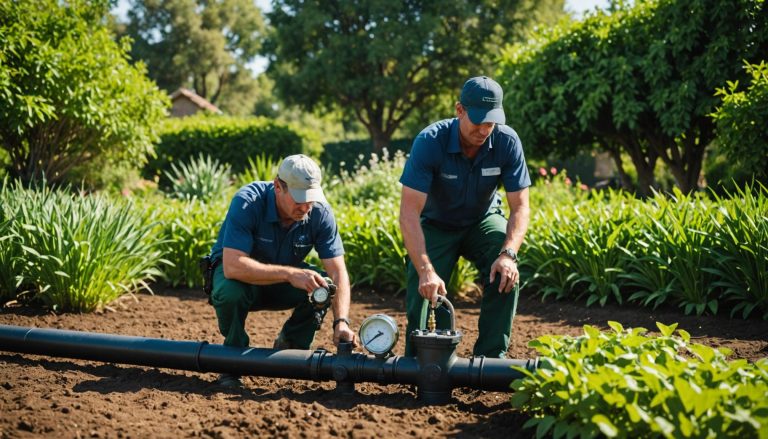
- Check Water Pressure: Measure the water pressure to ensure it’s sufficient for proper system operation; too high or too low pressure may cause inefficiency.
- Review System Coverage: Observe the irrigation system in action to ensure each area receives adequate water coverage without overspray.
After completing these troubleshooting steps, if issues persist, it might be time to consider more detailed inspections or professional assistance. Your system’s performance is crucial for maintaining healthy landscaping, so don’t hesitate to act on any irregularities.
What Tools Are Needed to Repair an Irrigation System?
Tackling irrigation system repairs might seem daunting, but having the right tools can make the process much easier (and save you some headaches down the line). Whether you’re fixing a leaky valve, adjusting sprinkler heads, or replacing damaged pipes, being equipped with these essential tools will help you get the job done efficiently.
- Screwdriver Set: Crucial for adjusting sprinkler heads and securing system components. Ensure you have both flathead and Phillips types.
- Pliers: Handy for gripping, twisting, or tightening parts—especially in tricky spots.
- Pipe Cutter: Essential for cutting through PVC pipes with precision. A clean cut makes for better connections.
- Teflon Tape: Necessary for sealing threaded pipe connections—prevents leaks at connection points.
- Shovel: Useful for digging up buried pipes or creating trenches for new lines. Opt for a narrow-tipped variety for precise work.
- Spray Paint or Marking Flags: Helps mark areas for repair to ensure accuracy and avoid accidental damage to other parts.
- Voltage Tester: Necessary for checking the electrical components of your irrigation controller—vital for troubleshooting electrical issues.
- Multimeter: Useful for diagnosing electrical problems within the system, such as faulty solenoids.
- PVC Primer and Cement: For repairing or adding new PVC pipe sections by ensuring strong, leak-proof connections.
With these tools in your arsenal, tackling irrigation repairs becomes a far less daunting task. Remember, proper preparation is key to a smooth repair process.
How Do I Fix Leaks in My Irrigation System?
Fixing leaks in your irrigation system is essential to keep it running efficiently (and to avoid wasting water and money!). Leaks can occur for various reasons—wear and tear, damage from lawn equipment, or roots interfering with the lines. Here’s a simple guide to tackle the issue.
- Identify the Leak: Walk around your yard and look for wet spots or areas where the ground feels soggy. Sometimes you’ll see water pooling or spraying from a specific spot.
- Turn Off the Water Supply: Before you begin any repair work, make sure to turn off your irrigation system to prevent water wastage and further damage.
- Expose the Leaky Area: Use a shovel to carefully dig around the wet area until you uncover the leak. Be cautious not to damage any pipes while digging.
- Clean the Pipe: Once the leaky section is exposed, clean the area with a cloth to remove any dirt or debris. This is important for a secure seal during the repair.
- Replace or Repair the Section: For small leaks, consider using a repair clamp. For larger leaks, you might need to cut out the damaged section and replace it with a new piece of pipe and connectors.
- Test the Repair: After fixing the leak, turn the water back on to test your repair. Observe the area carefully to ensure there are no more signs of leaking.
- Fill and Level the Ground: Once you’re sure there are no leaks, fill the hole back in with soil. Level it out to match the surrounding ground.
These steps should help you fix leaks efficiently. If you encounter persistent or complicated leaks, it might be time to consider professional help for your irrigation system.
What Are the Best Practices for Maintaining My Irrigation System?
Maintaining your irrigation system is crucial for ensuring efficient water use and keeping your landscape healthy. Regular maintenance can help prevent costly repairs and water wastage. Here are some best practices to follow:
Regular Inspection
Inspect your irrigation system regularly. Look for leaks, clogged nozzles, or misaligned heads. Doing so ensures that your system runs efficiently and you address issues before they become major problems.
Seasonal Adjustments
Adjust your irrigation settings based on seasonal needs. Plants require different amounts of water depending on the season, so tailor your system’s output accordingly. Reduce watering times in cooler months to conserve water.
System Testing
Test and run your system periodically. Ensure all zones are working correctly and that sprinkler heads spray appropriately. This regular testing can catch problems early, maintaining optimal system performance.
Cleaning and Clearing
Clean and clear your irrigation components. Remove any debris or dirt from sprinkler heads and filters. This helps maintain consistent water pressure and prevents blockages.
Component Replacement
Replace old or damaged components. Worn-out parts can affect system efficiency. Regularly replacing them ensures your irrigation system functions smoothly over time.
Staying on top of maintenance will save you time, money, and water. By following these best practices, you’ll keep your irrigation system in top shape and your landscape flourishing.
When Should I Call a Professional for Irrigation System Repairs?
While DIY irrigation system repairs can be tempting (especially for minor issues), there are times when calling a professional is the WISEST choice. Trying to fix complex problems without proper knowledge can lead to more extensive damage and higher costs down the line.
If your irrigation system faces persistent issues, such as low water pressure, constant leaks, or electrical problems, these are strong indicators that professional help is needed. Professionals have the expertise to diagnose and resolve intricate problems efficiently, preventing further complications.
Additionally, if your system utilizes advanced technology—like smart controllers or pressure regulators—a trained technician should handle repairs. They ensure the systems are calibrated correctly and functioning at their best.
Also, consider the age of your system. Older systems might require specific parts or upgrades beyond routine maintenance. A professional can advise whether a repair or a replacement is more cost-effective, saving you money in the long term.
In cases of complicated layouts or large-scale systems, hiring a professional ensures all components work harmoniously together. They have the tools and knowledge to tackle these challenges smoothly.
Remember, investing in professional irrigation repairs not only solves existing issues but also enhances the longevity and efficiency of your system. When unsure, it’s always better to leave it to the experts. They can provide peace of mind and ensure your landscape remains lush and thriving.
Conclusion
Recognizing the signs that your irrigation system requires repair is vital to maintaining a healthy and efficient landscape. From unusual water flow patterns to increased utility bills, being proactive about addressing these issues can prevent further damage and ensure your system runs smoothly. If you’re located in the Houston area or its surrounding neighborhoods such as Katy, Sugar Land, or Bellaire, professional assistance is merely a call away.
West Memorial Sprinklers, led by Argemiro Pinzon, is your go-to expert for all irrigation system repairs and installations. Our team is committed to providing top-tier service to keep your lawn looking lush and green. Don’t hesitate to reach out to us for any of your irrigation needs by calling (281) 512-1601 or emailing services@wmsprinklers.com. Let us help you maintain the perfect outdoor environment with our reliable services.